Key takeaways
- Whole-house siding replacement generally runs $8,000 to $30,000, with about $19,000 as a midpoint (This Old House).
- Vinyl is the lowest cost: about $6.13 per square foot installed, or $12,252 on a 2,000 sq ft house. Cedar is about $11.70 per square foot, or $23,400.
- Siding is priced by wall area, not floor area, so a two-story house costs more than a ranch with the same footprint.
- Tear-off, house wrap, permits, trim, and any rot you find behind the old siding are where budgets drift.
- In the 2025 Cost vs. Value report, fiber-cement siding recouped about 114% of its cost at resale and vinyl about 97%.
The short answer
This Old House reports that siding replacement costs $8,000 to $30,000 for most homes, with an average vinyl job on a 2,000 square-foot house at $12,252 for materials and installation. The wide spread comes from three things: which material you pick, how much wall you have, and how much repair the old walls need once the siding is off.
Treat any single number you read online, including these, as a starting point. The only price that matters is the one a pro writes down after looking at your house.
Cost by material
The table below combines two sets of numbers from the same This Old House guide, both built on Homewyse contractor-cost data: the average installed price per square foot of wall, and the average total for a 2,000 square-foot home. Material cost is only part of it; labor, tear-off, and trim are in the installed figure.
| Material | Installed, per sq ft | Typical lifespan | Total, 2,000 sq ft home |
|---|---|---|---|
| Vinyl | $6.13 | 20 to 40 years | $12,252 |
| Plank or shiplap | n/a | n/a | $14,210 |
| Aluminum | $7.32 | 20 to 40 years | $14,649 |
| Fiber cement | $9.00 | 50+ years | about $18,000 (calculated) |
| Board and batten | n/a | n/a | $16,870 |
| Stucco | $9.66 | 50 to 80 years | $19,320 |
| Cedar | $11.70 | 20 to 40 years | $23,400 |
| Stone veneer | $14.16 | 100+ years | $28,320 |
| Brick veneer | $20.00 | 100+ years | n/a |
Source: This Old House using Homewyse data. 'n/a' means the guide does not list that figure. The fiber cement total is our arithmetic: $9.00 x 2,000 sq ft.
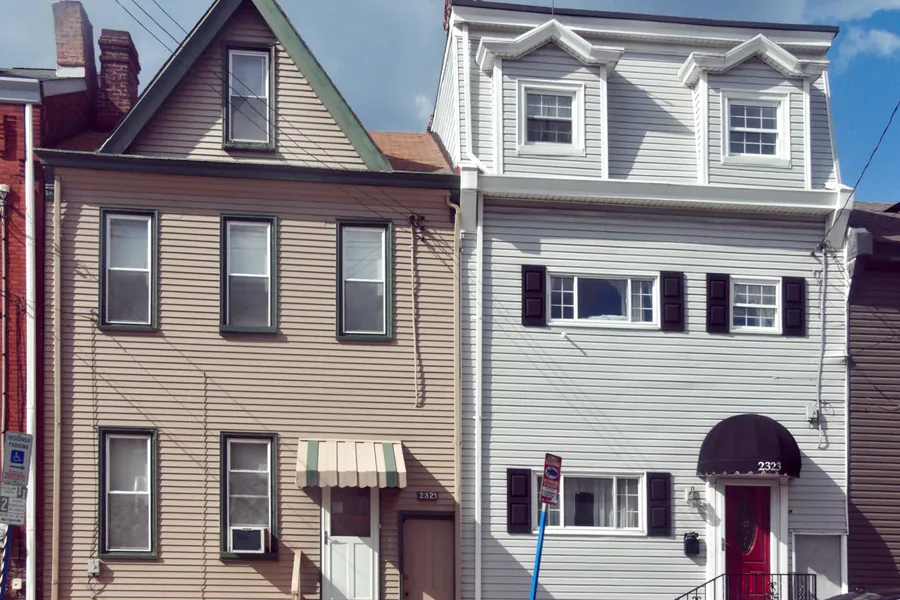

Lifespan and upkeep matter as much as price. Vinyl needs no repainting, but can crack in extreme cold and fade over time. Cedar clapboards may need repainting every 7 to 10 years, according to a This Old House carpenter. Fiber cement is heavy, which is why installation costs more, but it resists fire and insects.
Ballpark calculator
Enter your wall area and pick a material. The result is simple arithmetic on the published installed averages above, so use it to check whether a quote is in the neighborhood, not to set a budget to the dollar.
Siding ballpark
Published-average ballpark$12,260
Rates are This Old House / Homewyse installed averages per square foot of wall. This is arithmetic on a published average, not a quote. Local labor, pitch, hidden damage, and permits can move it a lot. A pro who sees the house will give you a real number.
How to measure your house
Siding is priced by wall square footage, not floor area. This Old House suggests you measure the length and height of each exterior wall, subtract large windows and doors, and add a 10% to 15% buffer for waste. Gables, overhangs, and multiple levels add area and complexity.
- Multiply length by height for each wall, including the triangular gable ends (half of base times height).
- Subtract big openings such as garage doors and large windows.
- Add 10% to 15% for cuts and waste.
- Ask a pro to measure too. Contractors often quote in “squares,” where one square is 100 square feet.
What else is on the bill
The per-square-foot figures above are a starting point. These line items are the usual reasons a final price lands higher:
- Removal and disposal. Removing old siding can add hundreds or thousands of dollars for labor and disposal fees.
- Repairs. If rot, mold, or structural problems sit under the old siding, repairs push the cost up. You usually learn this only after tear-off, so ask how it will be priced.
- House wrap and flashing. Moisture barriers run about $0.50 to $1 per square foot, and may require updates to insulation, flashing, trim, fascia, or soffit.
- Permits. Most municipalities require one. Expect about $100 to $500 in fees, and possibly an inspection.
- Complexity. Multiple stories, complex rooflines, dormers, and many windows and doors all add labor, and taller homes may need scaffolding.

Two worked examples
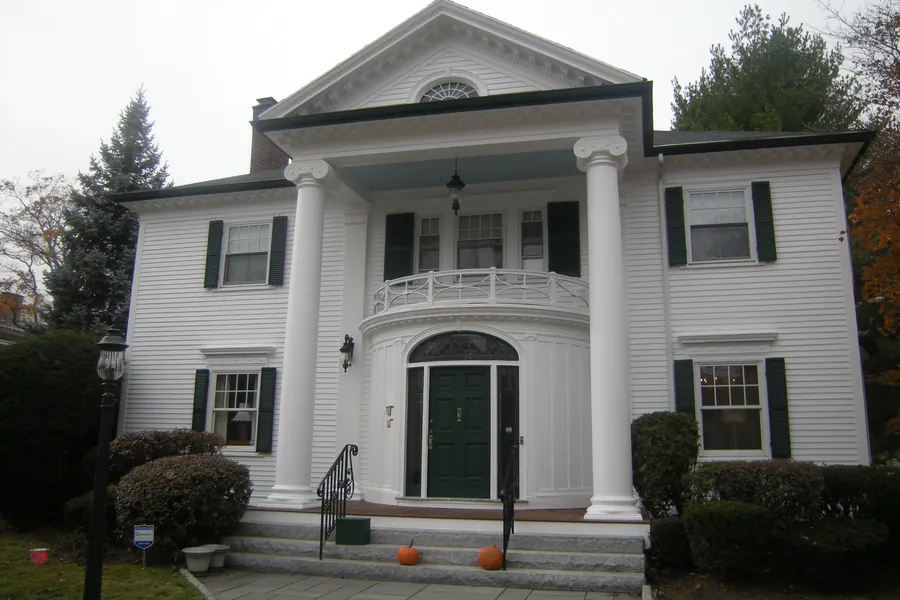
This Old House gives these three project examples; we reproduce the first two so you can see how the pieces add up.
| Project | Materials and labor | Removal and disposal | Trim and extras | Total |
|---|---|---|---|---|
| 1,500 sq ft ranch, standard vinyl, off-season | $11,000 | $1,000 | $1,000 | $12,500 to $15,000 |
| 2,000 sq ft colonial, wood to fiber cement | $16,000 | $2,000 | $2,500 | $18,000 to $22,000 |
Does new siding pay for itself?
Partly. In the 2025 Cost vs. Value report (Zonda and the Journal of Light Construction), fiber-cement siding replacement recouped about 113.7% of its average job cost at resale, and vinyl siding about 96.5%. Those were two of the best returns among the 28 projects ranked. Cost vs. Value uses a standardized project in each market and its dollar job costs run higher than the simple averages above, so compare the percentages, not the dollars. Your market and your house will differ.
Reading a siding quote
Two quotes at the same total can cover very different jobs. Before you compare prices, line up these items:
- The exact product. Brand, line, and thickness for vinyl; board profile and finish for fiber cement.
- Tear-off. Is old siding removed and disposed of, or covered over? Covering over is only appropriate when the existing surface is in solid shape.
- Water management. House wrap or other weather barrier, and how windows, doors, and corners are flashed.
- Trim, soffit, and fascia. Included, optional, or left out?
- Hidden damage. A written price per board or per square foot for replacing rotted sheathing, so a surprise is not an open check.
- Permit and cleanup. Who pulls the permit, and how are nails and debris handled?
- Warranty. What the manufacturer covers, and what the installer covers in writing.
For more on the project itself, see our siding service page.
Common questions
How much does it cost to replace siding on a 2,000 sq ft house?
This Old House puts a vinyl job at about $12,252 and cedar at about $23,400 for a 2,000 square-foot home, with whole-project replacements generally running $8,000 to $30,000. Fiber cement at the $9.00 per square foot installed average works out to roughly $18,000 on 2,000 square feet of wall.
Is it cheaper to put new siding over old siding?
It can be, because you skip tear-off and disposal. It only works when the existing surface is in solid shape, and it hides what is behind the old siding. Ask the pro to explain what they will check first.
When is the cheapest time to replace siding?
Spring and summer are peak season, so prices and wait times rise. In colder regions, late fall and winter can come with discounts as crews look to fill their calendars.
Is fiber cement worth the extra cost?
It costs more to install because the boards are heavy and need special cutting, but it resists fire and pests, holds paint longer than wood, and showed the highest resale return in the 2025 Cost vs. Value report (about 114% of cost recouped).
Do I need a permit?
Most municipalities require a building permit for siding work. This Old House cites fees of $100 to $500. Ask who pulls it and whether it is in the quote.