Key takeaways
- This Old House puts the average at $15,439 for a 2,000 sq ft asphalt shingle roof. Fixr puts a typical shingle roof near $14,500.
- Material is the biggest lever. At 2,000 sq ft, published baseline figures are about $10,000 for asphalt, $25,000 for wood shake, $37,000 for metal, and $43,000 for clay tile.
- Labor was about 65% of total project cost in the survey, so steep pitch and complex shapes move the price more than shingle brand.
- Hidden decking damage is the usual surprise: 23% of homeowners who found it paid more than their original estimate, versus 13% who did not.
- Most estimates matched the final cost: 79% of surveyed homeowners said the final cost matched the estimate.
The short answer
The most useful single figure is from This Old House’s 2026 roofing guide, which also draws on a survey of 1,000 homeowners who recently put on a new roof: an average of $15,439 for a 2,000 square-foot asphalt shingle roof. Fixr, which publishes national cost ranges, lists a typical shingle roof near $14,500, with most projects between $8,000 and $36,000 depending on roof size and material.
You will see a lower asphalt number below, about $10,000 for the same size. That is a baseline for builder-grade materials, medium labor, and a standard low-slope roof. Real roofs have pitch, valleys, vents, and a tear-off, which is why survey averages come in higher. Both are useful. Neither is a quote.
Cost by material
| Material | Cost per sq ft | Total, 2,000 sq ft | Typical lifespan |
|---|---|---|---|
| Asphalt shingles | $5.02 | $10,042 | 30 to 35 years |
| Wood shake | $12.69 | $25,376 | 30 to 50 years |
| Metal | $18.64 | $37,285 | 40 to 70 years |
| Clay tile | $21.37 | $42,743 | 50 to 100 years |
Source: This Old House using Homewyse data. Builder-grade materials, medium labor costs, low-slope and standard-shaped roofs.
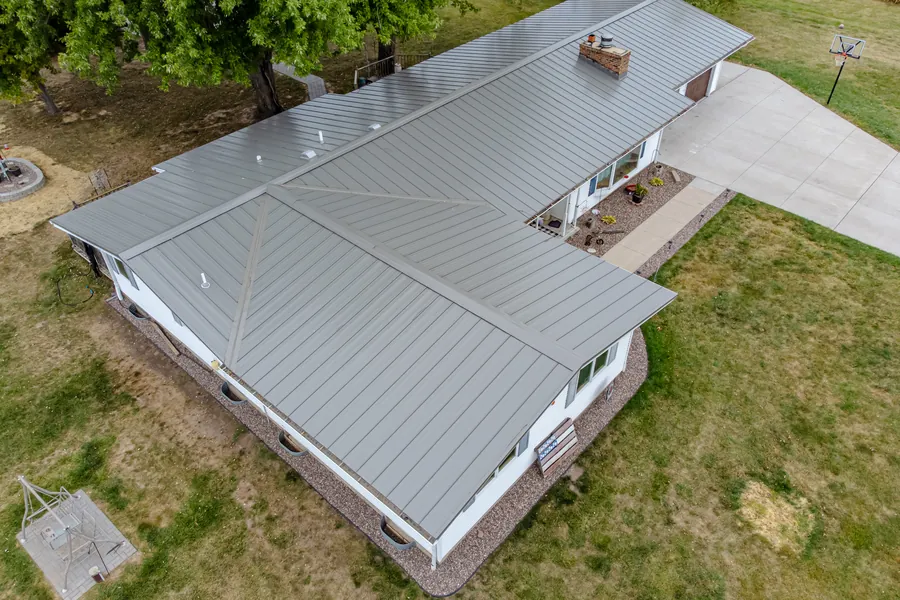

Asphalt shingles are the most common material (47% of surveyed homeowners chose them) because they are inexpensive, lightweight, and easy to install. Metal was second most popular among respondents. Heavy materials such as clay tile may need a structural engineer to confirm the house can carry the extra load.
Cost by roof size
The average roof in the US is about 1,700 square feet, according to the Census Bureau figure cited by This Old House, and the baseline asphalt price at that size is $8,865. Note that roof area is not the same as floor area: pitch, overhangs, and shape make a roof larger than the footprint under it.
| Roof area | Asphalt shingles | Cedar shingles | Metal | Clay tile |
|---|---|---|---|---|
| 1,000 sq ft | $5,117 | $12,784 | $18,739 | $21,469 |
| 1,500 sq ft | $7,570 | $19,080 | $28,012 | $32,106 |
| 2,000 sq ft | $10,042 | $25,376 | $37,285 | $42,743 |
| 2,500 sq ft | $12,504 | $31,671 | $46,558 | $53,381 |
| 3,000 sq ft | $14,966 | $37,967 | $55,831 | $64,019 |
Ballpark calculator
Roof ballpark
Published-average ballpark$10,040
Rates are This Old House / Homewyse baseline figures per square foot of roof area for builder-grade materials. This is arithmetic on a published average, not a quote. Local labor, pitch, hidden damage, and permits can move it a lot. A pro who sees the house will give you a real number.
Why labor dominates the bill
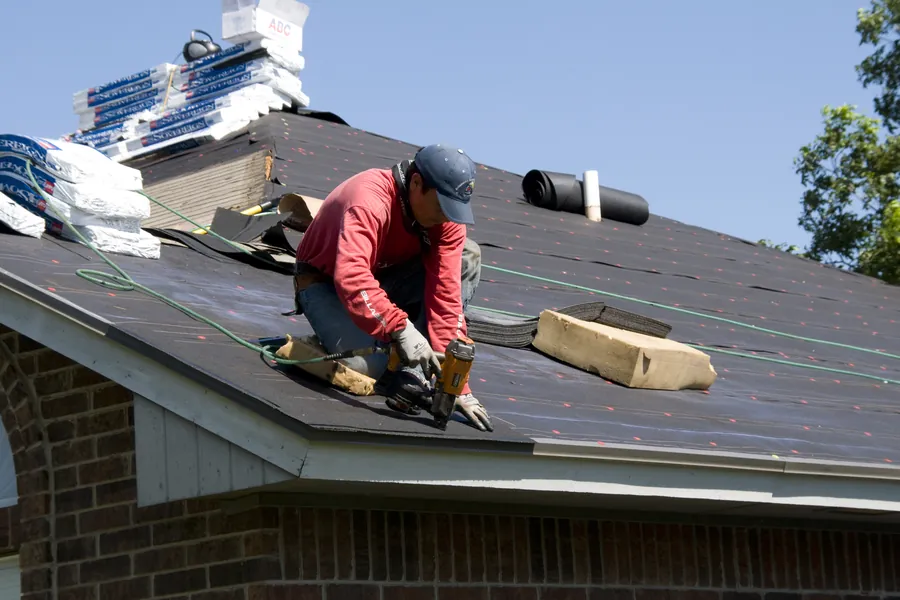
In the This Old House survey, 65% of total project cost was labor. Roofing labor averages about $75 per hour according to the Roofers Guild, though it swings with pitch, access, and regional demand. A roof with many planes, valleys, dormers, or skylights creates more waste and more hours. A steep roof, or one more than two stories up, needs extra safety equipment and goes slower.

What else is on the bill
A shingle price per square foot is not the whole job. Look for these items on any estimate:
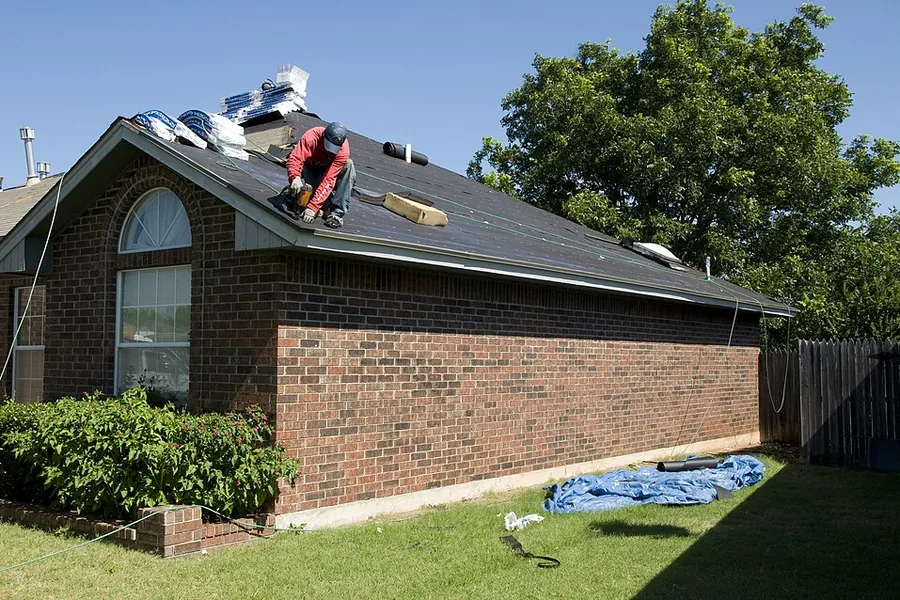
- Tear-off and disposal. Contractors typically charge to remove and dispose of old roofing and debris. More roof planes means more waste.
- Underlayment. Typically asphalt-saturated felt over the wood decking as a moisture barrier. Synthetic underlayment is common too.
- Ice and water barrier. In regions prone to ice dams or heavy rain, an additional membrane adds material and labor.
- Drip edge and flashing. Metal trim at the edges, and flashing where the roof meets chimneys, walls, and dormers. Worn flashing and pipe boots let water in.
- Ventilation. Roof or ridge vents keep attic air moving and protect the roof’s lifespan.
- Decking repair. Damaged wood decking or framing has to be replaced. This is the line most likely to change the price.
- Gutters. If gutters must come off, factor in reattaching or replacing them.
- Permits. Depending on local code, permits are an add-on cost that may not show up in the original estimate.
Repair or replace?
Age and condition decide it. This Old House’s guidance, in short:
| Symptom | Repair | Replace |
|---|---|---|
| Minor surface damage | Yes | - |
| Roof less than 15 years old | Yes | - |
| Sound underlying structure | Yes | - |
| Extensive surface damage | - | Yes |
| Leaks | - | Yes |
| Moisture issues | - | Yes |
| Roof older than 15 years | - | Yes |
| Structural issues | - | Yes |
Rule of thumb from the same guide: a roof under 10 years old with a few shingles displaced by wind or rain can often be repaired, while an older roof with leaks or curling and missing shingles is usually a replacement. An overlay (a second layer of shingles over the first) is allowed by most building codes and is often faster and cheaper; it can fit a roof in good shape with localized storm damage.
Ways to save
- Check insurance first. Weather damage or a downed tree may be covered. Contact your insurer before you sign, not after.
- Bundle. If gutters or exterior painting are also on your list, some contractors price bundles lower.
- Compare written quotes. Get at least two, and make sure they describe the same scope.
- Payment terms. Some contractors give a better price for a larger deposit or full payment at completion. Get any agreed terms in the contract.
What the survey says about outcomes: 79% of homeowners said their final cost matched their original estimate, 73% said the contractor finished on time, and about 89% were satisfied or very satisfied with their roofing company. Most projects took around a week.
Reading a roofing estimate
- Roof area and how it was measured. Square feet or squares (100 sq ft), by tape, drone, or satellite.
- Exact materials. Shingle brand, line, and color; underlayment type; ice and water barrier locations.
- Tear-off or overlay. And what the pro does if they find a second or third layer.
- Flashing, drip edge, and vents. Replaced or reused, line by line.
- Decking. A written price for replacing damaged boards.
- Permit, dumpster, and cleanup. Who handles each, including magnet sweeps for nails.
- Warranties. The manufacturer warranty and the installer’s workmanship warranty, both in writing.
For the broader project overview, see our roof replacement service page.
Common questions
How much does a new roof cost on a 2,000 sq ft house?
This Old House puts the average at $15,439 for a 2,000 square-foot asphalt shingle roof. Its material-by-material table, built on Homewyse data for builder-grade materials and a standard low-slope roof, shows $10,042 for asphalt, $37,285 for metal, and $42,743 for clay tile at the same size. Fixr puts the typical shingle roof near $14,500, with most projects between $8,000 and $36,000.
Why are the numbers from different sites so different?
They measure different things: survey averages, baseline database figures, and national ranges. Roof size, pitch, shape, material grade, tear-off, and local labor all move the price. Use the figures to see the range, then get written quotes.
Repair or replace?
This Old House suggests a roof older than about 15 years with leaks, moisture problems, or extensive damage is usually a replacement. A roof under 10 years old with a few shingles displaced by wind or rain can usually be repaired.
Can new shingles go over old ones?
Most building codes allow two layers of asphalt shingles, and an overlay is often faster and cheaper. It can make sense for a roof in good shape with localized damage. It hides the deck from inspection, so many pros prefer tear-off.
Will homeowners insurance cover a new roof?
It may cover damage from a storm or a fallen tree. In the This Old House survey, weather-related damage was the most common reason for replacement (40%). Wear and age are usually not covered. Check your policy and call your insurer before you sign.