Key takeaways
- Baltimore City and Baltimore County use different rules. A roofer who works in one needs to confirm the other.
- Baltimore City’s exempt list for one- and two-family homes includes replacing roof shingles and replacing roof tarring. It does not cover structural work or a house in a city historic district or on the Landmark List.
- Baltimore County requires a permit when 50 percent or more of the sheathing or deck is replaced, for any structural component, and for any roof repair in a County historic district or on the Landmarks list.
- At a shingle re-roof in the County, the code calls for an ice barrier, drip edge, and replaced flashing, whether or not a permit is needed.
- Rules change. Call the office before work starts and get the permit number from your roofer in writing.
The short answer
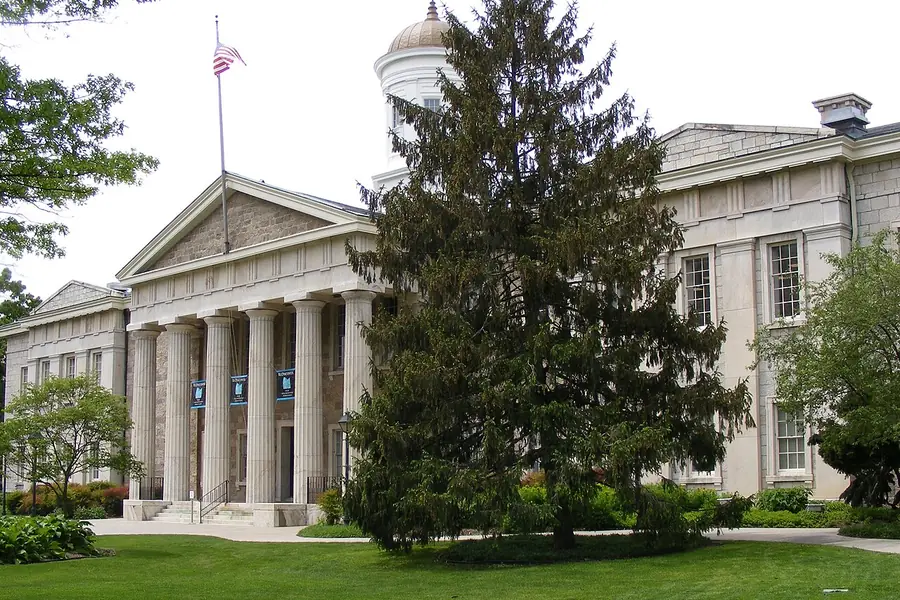
For a like-for-like shingle job on a sound deck, outside any historic district, both offices’ published lists suggest no permit is needed. That changes once the job involves structural work, half or more of the deck, a historic property, or something other than shingles. A roofer can tell you which side of the line your job is on, but the permit office decides. Call before work starts.
Baltimore City
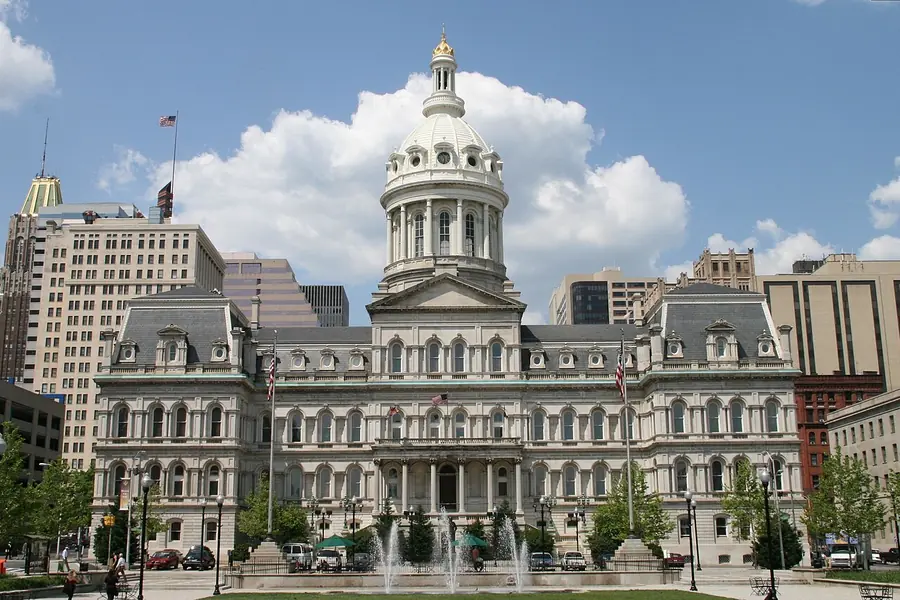
The city’s permit pages are run by the Department of Housing and Community Development (DHCD), which takes applications through its ePermits system and in person at 417 E. Fayette Street. The permits office number on the department’s page is 443-984-1809. Its general rule is that you need a permit if you are replacing or significantly altering anything on a property, and that minor repairs usually do not need permits unless the item is completely replaced or significantly changed. It points to a separate list of repairs that do not need a permit.

That list is titled “Work Exempt From Permit.” For one- and two-family dwellings it includes, under building work, replacing roof shingles and replacing roof tarring. It begins with a warning that exemption from permit does not authorize work that violates the building codes. The list does not name newer membrane systems such as EPDM or TPO, so if your flat roof is being converted to one of those, ask DHCD whether it counts as replacing roof tarring.
The exemption does not cover a house in a city historic district or on the Landmark List. There, the city code requires a permit and the preservation commission’s sign-off first; see Historic districts below. Call CHAP before relying on the shingle exemption.
Structural work is a different category. DHCD’s page lists extensive structural alterations, such as removing and replacing joists, among the kinds of work that require a contractor, and the department says renovations, modifications, and reconstructions always need a permit. If your roofer opens the roof and finds rotted joists or rafters, the repair is not covered by the shingle exemption. Ask for the structural repair to be priced and permitted separately.
A rooftop deck needs its own review. DHCD publishes rooftop deck guidelines alongside its construction permit requirements.
Baltimore County
Baltimore County’s Department of Permits, Approvals and Inspections is in the County Office Building at 111 West Chesapeake Avenue in Towson, open Monday through Friday, 8:30 a.m. to 4:30 p.m. Its general number is 410-887-3353, and it lists 410-887-3953 for the question of whether a permit is required.
The County’s roofing page says a permit is required:
- to repair a residential or commercial roof if 50 percent or more of the sheathing or deck is being replaced;
- to replace any structural component;
- for all roof repairs, whatever the scope, on a property in a proposed or designated County historic district or on the County Landmarks list.
The same page says a permit is not required to put two layers of shingles on a roof, and a second County page says permits are not required for siding or roof repair outside those historic cases.
Whether or not a permit is needed, the County page states what the code requires at a re-roof: the International Residential Code calls for an ice barrier and a drip edge when replacing shingles on an existing roof, and for step flashing and other flashing to be replaced. The one exception it gives is an existing ice barrier membrane that is already adhered to the deck, which can stay and be covered with an additional layer. Ask any roofer you hire in the County whether the quote includes these.
Scenario table
| The job | Baltimore City | Baltimore County |
|---|---|---|
| Replace worn asphalt shingles, deck is sound | On the city’s exempt list for one- and two-family homes, except in a historic district or on the Landmark List | No permit listed for roof repair outside historic areas; code details above still apply |
| Re-tar or re-cover a flat rowhome roof | Replacing roof tarring is on the exempt list; a newer membrane system is not named, so ask DHCD | Same as above, unless 50 percent or more of the deck is replaced |
| Replace rotted deck, rafters, or joists | Structural work is outside the shingle exemption; ask DHCD | Permit for any structural component, and at 50 percent or more of the sheathing or deck |
| House in a historic district or on a landmark list | Permit required; the preservation commission authorizes the work first | Permit for any roof repair |
| Add a rooftop deck | Permit and review; the city publishes rooftop deck guidelines | Structural addition; call the permit office |
Our summary of each office's published pages, which are linked below. A property can be affected by rules we do not list, such as flood zones or homeowner association covenants.
Historic districts
Baltimore Heritage says the city has nearly 70 neighborhoods designated as historic districts, covering more than 50,000 buildings. In those districts, DHCD says applications are referred for additional review and approval. The city code requires a building permit for any reconstruction, alteration, or removal of an exterior architectural feature in a historic district or on the Landmark List, and bars the building official from issuing it until the preservation commission, known as CHAP, has issued an Authorization to Proceed. In the newer conservation districts, CHAP may instead decide that none is needed. The code excepts ordinary maintenance or repair that changes nothing in design, material, color, or appearance.
The commission’s design guidelines are specific about roofs. They say to replace historic roofing with materials that visually match the existing roofing, to inspect and repair the roof substrate when replacing a roof, and to protect parapets, cornices, and chimneys during the work. Flat or gently sloping roofs not visible from the ground may be replaced with modified bitumen or single-ply membranes such as EPDM and TPO. Alternative materials for visible roofs are reviewed case by case. Start the review before you sign a contract, so the approved material and the quoted material are the same.
If you are not sure whether your house is in a district, ask CHAP or DHCD; do not infer it from the age of the block.
If it is skipped
Baltimore City penalizes unpermitted work with surcharges and takes reports of it through 311. This Old House says skipping a required permit can lead to stop-work orders, fines, or disclosure problems when you sell the house. Confirm the paperwork is in place before the crew starts.
What to ask your roofer about permits
- Is a permit needed for this job, in this jurisdiction, and how do you know? A good answer names the office or the list, not just “we never need one.”
- Who applies, and when will I get the permit number? Ask for it in writing. Both the city and the county have online tools to look up existing permits.
- If you find rotted deck or framing, how is it priced and permitted? Deck and framing repair can move a shingle job into permit territory.
- Is the house in a historic district, and has anyone checked? If yes, the commission’s review comes first.
- Does the quote include the ice barrier, drip edge, and flashing the county code calls for at a re-roof?
- What is your Maryland license number? Roofing is on the Home Improvement Commission’s list of licensed work, and the number must be on the contract. See the hiring checks.
For regional costs and materials, see the Baltimore-area roofing guide and the flat roof article for rowhomes.
Common questions
Does replacing a roof need a permit in Baltimore City?
The city’s exempt-work list for one- and two-family homes includes replacing roof shingles and replacing roof tarring, with the exceptions described above: structural work, a historic district or landmark, and anything the list does not name. Ask the Department of Housing and Community Development before you start.
Does replacing shingles need a permit in Baltimore County?
The County says permits are not required for roof repair outside historic areas, and not required to put two layers of shingles on a roof. A permit is required at 50 percent or more of the sheathing or deck replaced, for any structural component, and for any roof repair on a County historic district or Landmarks list property.
What if my house is in a historic district?
The exemptions above do not apply the same way. See the historic districts section: in the city, the preservation commission authorizes exterior work before the permit, and in the County, any roof repair on a historic or landmark property needs a permit.
What happens if the work is done without a required permit?
Baltimore City penalizes unpermitted work with surcharges and takes reports of it through 311. This Old House says skipping a required permit can lead to stop-work orders, fines, or problems disclosing the work when you sell.
Who pulls the permit, me or the roofer?
This Old House says the contractor should handle the paperwork and that you can verify the permit was pulled. Ask for the permit number in writing. Both jurisdictions have online search tools for existing permits.
Sources
- Baltimore City DHCD, Work Exempt From Permit (2026)
- Baltimore City DHCD, Building Permits
- Baltimore City DHCD, Permit Information: Construction
- Baltimore City CHAP, Rules & Regulations and Design Guidelines
- Baltimore City Historic Preservation Design Guidelines (CHAP, updated 2022)
- Baltimore City Ordinance 25-045 (amends Article 6 sections 8-2, 8-4 and 8-15: permits, commission review, ordinary maintenance)
- Baltimore County, Roofing and Siding Alterations Permit
- Baltimore County, Addition, Alteration, Structural Modification Permit
- Baltimore Heritage, Resources for Historic Homeowners
- Maryland Home Improvement Commission, What Is Home Improvement?
- This Old House, Flat Roof Replacement Cost (permits and inspections section)